Saturday, May 20, 2017

"I know what bullying looks like. It's not what anti-equality activists say it is."

This piece was originally published on Guardian Australia, on the 19th of May 2017. Available here.

--------

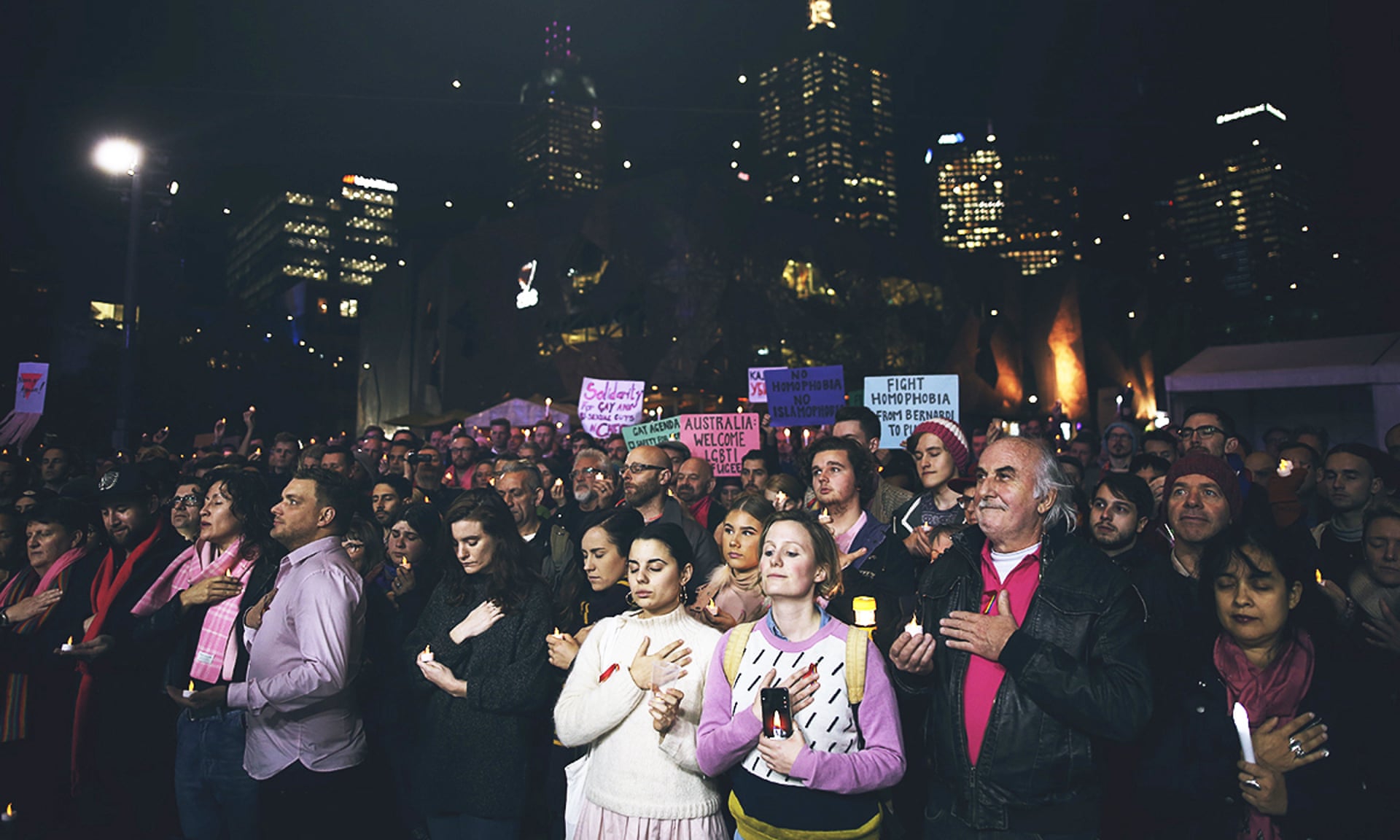
 ‘The event was a vigil to mourn the deaths of the gay and bisexual men in Chechnya, who are, to this day, being detained and murdered by their governments and families, simply for being gay.’

The same-sex marriage debate continues to rage in Australia, despite the public shame of recently being labelled a second-tier nation by the International Lesbian, Gay, Bisexual, Trans & Intersex Association.
The ongoing storm of useless argument was displayed once more on Tuesday night, when Network Ten’s The Project aired a segment discussing an incident in which an anti-equality activist smashed a pie in the face of Alan Joyce to protest the Qantas CEO’s support for marriage equality.
In the segment, the Australian Christian Lobby’s Lyle Shelton argued that opponents of same-sex marriage were being forced to endure bullying for their views.
As a gay person living in Australia, I continue to be amazed and endlessly frustrated by the so-called “debates” we’re forced to endure on our screens – particularly when words such as “bullying” are tossed around exclusively by members of the heterosexual mainstream.
More than that, I’m baffled by the assertions of Lyle Shelton – and others in the anti-equality movement – that they’re somehow under constant fire from a violent tempest of harassment.
Because frankly, these people have no idea what real bullying looks like.
I’ll never forget my 13th birthday. Not for the presents or the cake, but for the fact that I was beaten so badly in the schoolyard that I was taken to first aid, all for being a little bit different. As I wiped my bloodied chin in front of the nurse while recounting the story, it took all of my strength not to burst into tears – because I knew exactly why they’d targeted me.
My adolescence was littered with these experiences: being shouted at in the street by boys much older than me, approached in the schoolyard by packs of lads, sinisterly being asked “So, I heard you’re a faggot”, and cornered in dark laneways by people who’d somehow heard of me, of my left-of-centre orientation, and took it as an opportunity to aggress.
Even now, in my mid-20s, I am left with at best a lingering anxiety, and at worst a crippling fear, about stepping onto a train, or a bus, because I don’t know who might be aboard. I count every face instinctively; fearing one might carry markers of my high school abusers. I sit up the front, making myself as small as possible, because I never know if I might be “spotted” – identified as a homosexual and subsequently bashed, all for being too visible.
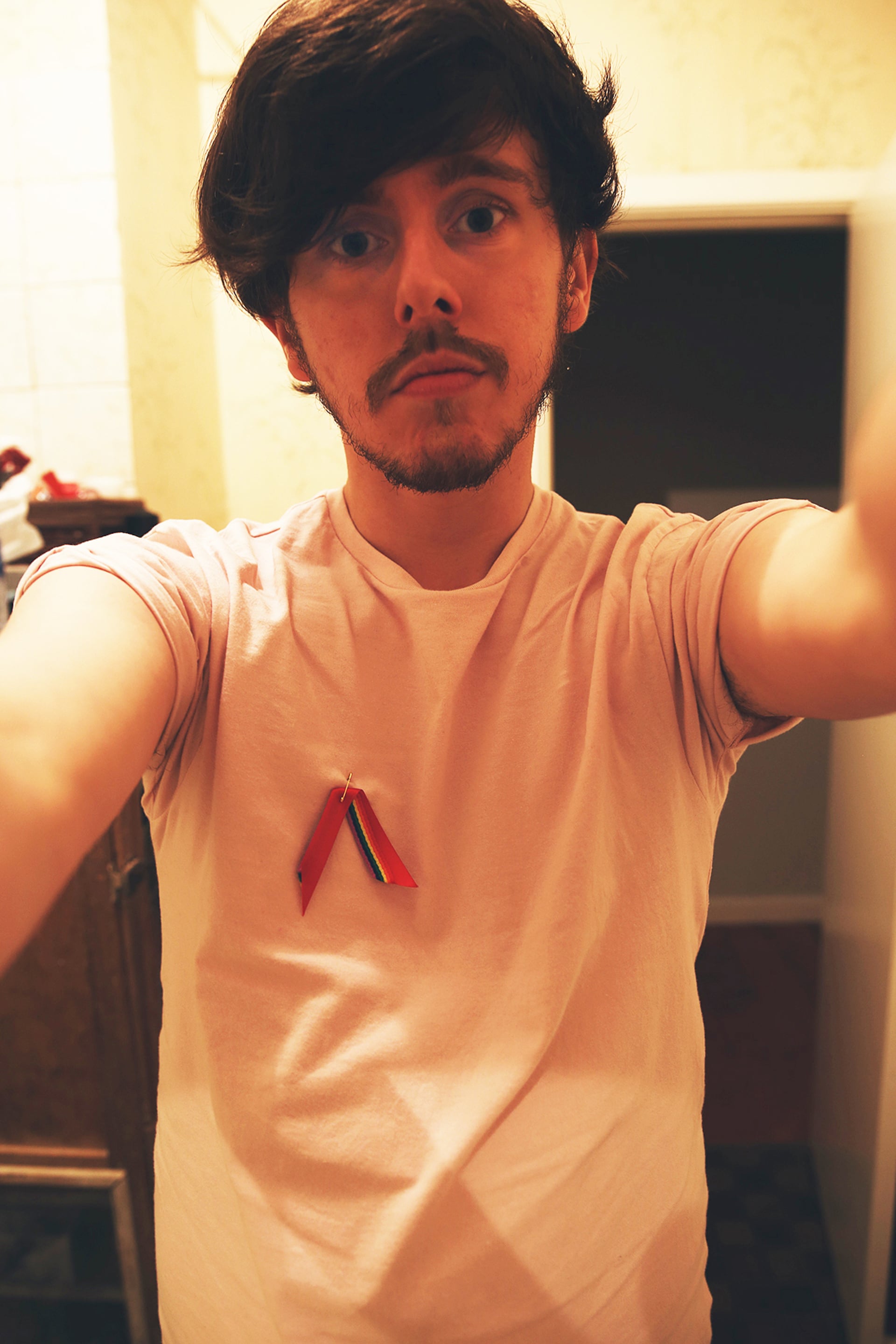
On Tuesday night – at the same time The Project segment aired – I was walking home from a trip to inner-city Melbourne, when a group of lads proceeded to aggressively shout and holler at me, commenting on my “poofter shirt” and rainbow brooch. I ignored them and hustled away, knowing any reaction could trigger violence.
What they didn’t know was that I had come from an event in the city centre. My pink shirt was worn in solidarity, my brooch a symbol of gay pride. The event was a vigil to mourn the deaths of the gay and bisexual men in Chechnya, who are, to this day, being detained and murdered by their governments and families, simply for being gay. Simply for being just like me; the very me those street louts were snarling at, and the one Shelton wants to deny rights.
That’s what bullying looks like. That’s harassment. That’s a level of contempt that borders on criminal.
These aren’t my experiences alone. They are those echoed by the larger LGBTI community. Some are lesser, and some disastrously worse but all need be reiterated, so that the mainstream – and the Sheltons of the world – can understand why granting marriage equality not only allows us the right to marry, but further proves to our children that gay people are equal, and that difference is not alien.
If Shelton wishes to complain about the censure of his views and opinions, which only serve to further marginalise those already in strife, he best choose his words more carefully. Because his attitudes, as Guardian columnist Van Badham said to him on The Project, are retrograde and reprehensible, and the criticism he receives for these views looks nothing like the bullying I’ve endured my entire life.

Thursday, May 18, 2017

"How American Gods changed the game for gay sex on TV"

This piece was published for Guardian Australia, on Wednesday 17th of May 2017. Available here.

--------

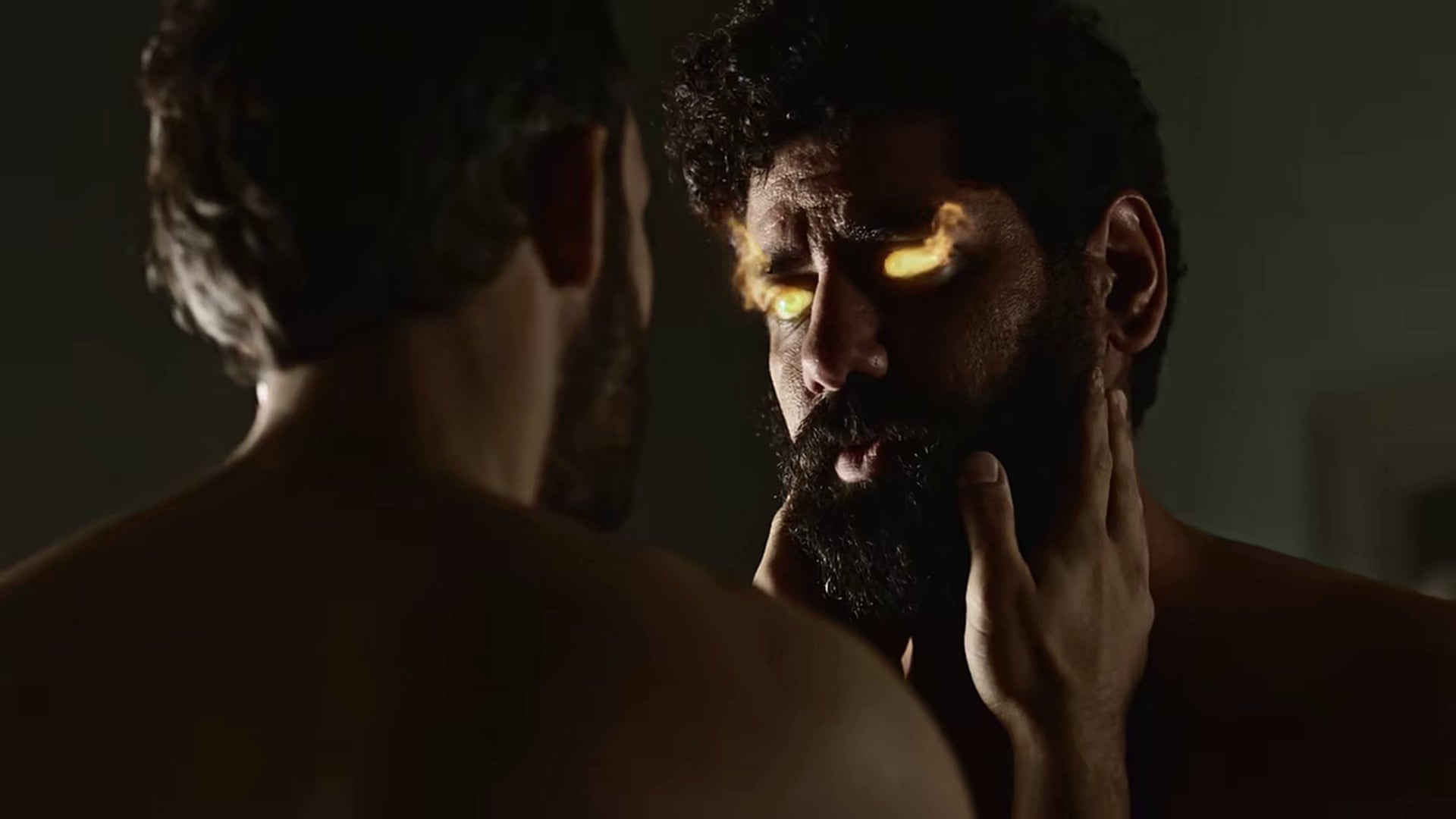
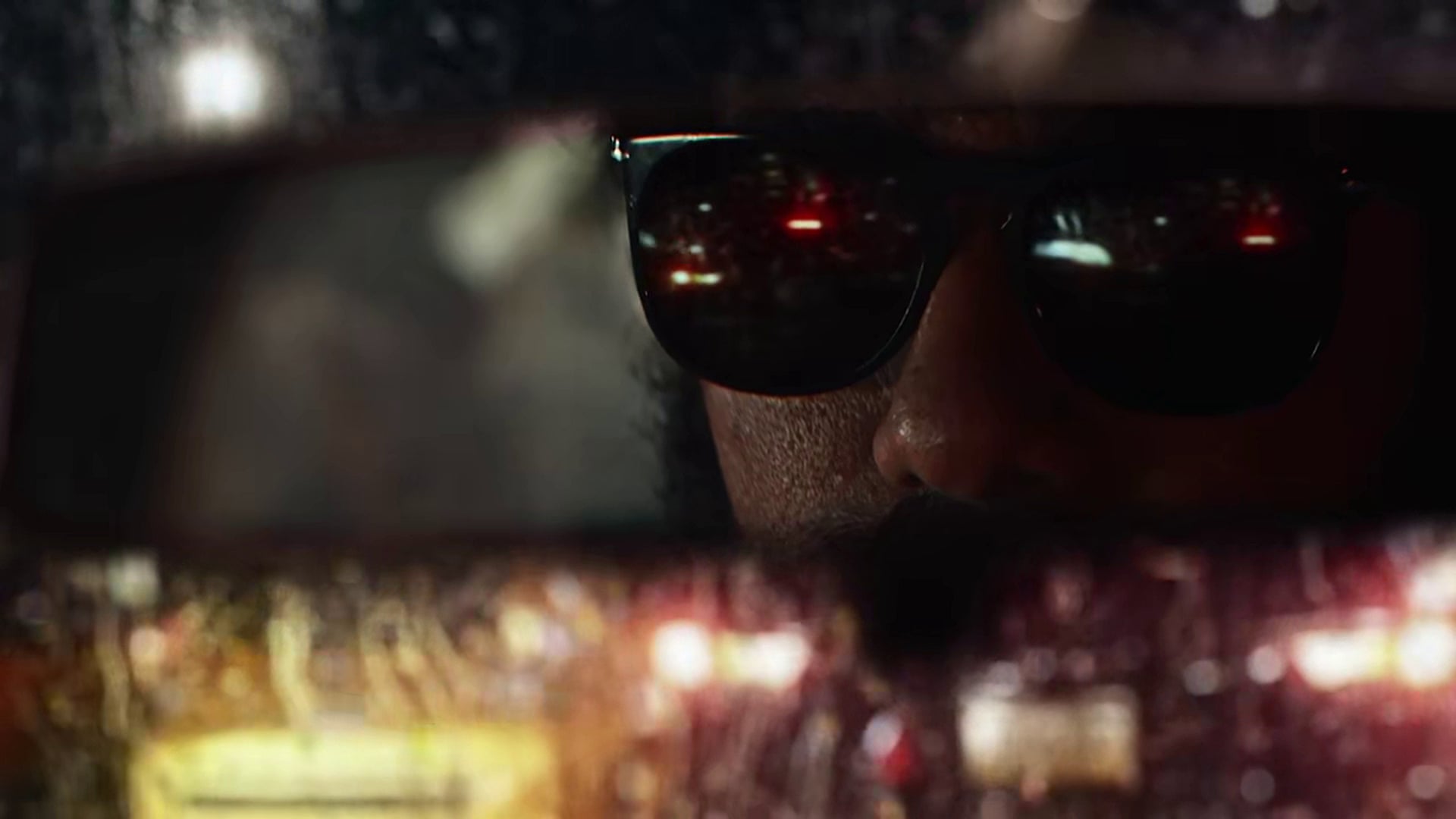
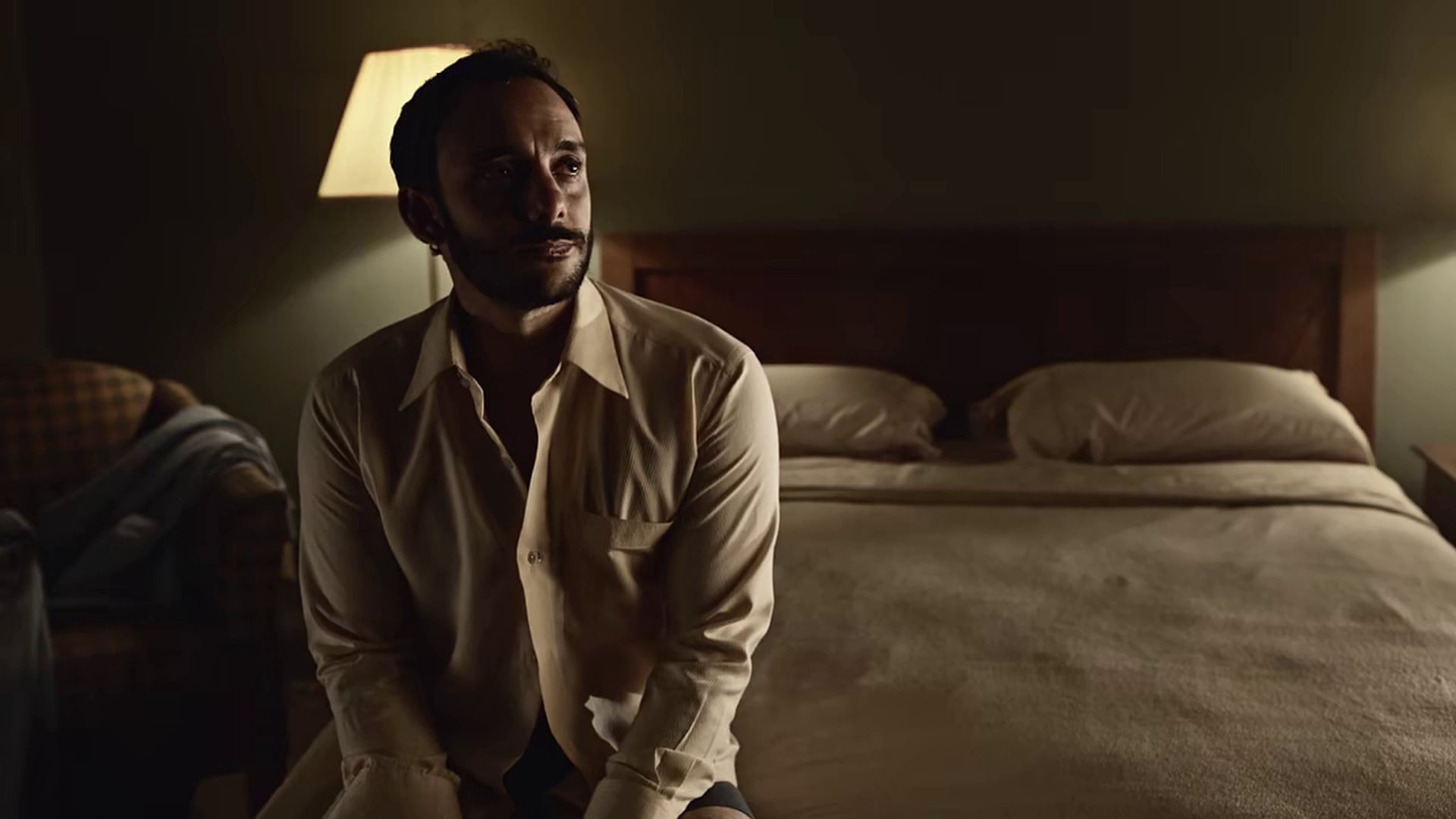
Throughout the history of media, the portrayal of sex has been consistently met with varying shades of outrage. Yet no graphic depiction has felt the wrath quite like that of homosexuality.


Sunday, May 14, 2017

"What it's really like to have your drink spiked"

This piece was published for News.com.au on the 13th of May, 2017. Available here.

--------

ON Anzac Day Eve this year, a frolicking night out became a wakeful nightmare.
I was a few beers deep, mingling with the crowds at my local haunt — when at some point in the night, I felt a strangeness wash over me.
It was as if a massive wave of panic had managed to infiltrate my brain; adrenaline ran through me and I was thrown into a tailspin.
I assumed this was an anxiety attack and took myself home. Yet the feelings continued; I lay awake in my bed for hours. My stomach turned and my head pulsed with maddening panic, to the point where I debated hospital.
After some time, calculating the beers I’d had versus the way I was feeling, it became clear that my drink had been spiked.
I wouldn’t have known it, if it hadn’t already happened to me.
Experts believe that the majority of drink spikings occur as a prank. Often it’s assumed that spiking occurs with intent to sexually assault someone — however this only accounts for one-third of all spikings. The sad fact is that most of the time it’s the result of a cold-hearted lout looking to get laughs. To purposefully endanger someone’s life for a joke.
The first time my drink was spiked, in 2012, I nearly lost my life.
I was a night-life photographer living la vida loca in the city of Melbourne. I was on the job … and with that job came certain benefits, like drink vouchers. Everything was going swimmingly. I must have set down my glass.
Brandon Cook with fellow photographer Daisy Hofstetter. Picture: Daisy Hofstetter
Brandon Cook with fellow photographer Daisy Hofstetter. Picture: Daisy HofstetterSource:Supplied
My memory gets very foggy then. One minute I was at the bar. The next, I’m in an alleyway, on my phone, complaining about feeling strange.
A flash — I’m on a train, vomiting bile onto the floor. Flash forward — in a car, Dad in the driver’s seat. I’m green and blue and every colour I shouldn’t be. They claimed they’d never seen anyone that messed up before.
Hours later, I couldn’t keep food or liquids down. All I could feel was pain and delirium. Then my chest began to race — far too fast. I screamed in fear and pain as Mum scrambled to call 000. I had to be taken in to hospital due to irregularities of my heart.
That episode led to me getting heart surgery to rectify whatever issue the drink spiking had caused.
Doctors performed keyhole surgery on my heart, feeding wires via my groin, to perform an ablation. Basically they had to locate the parts of my heart that were malfunctioning and burn or “ablate” them.
I spent the next few months in recovery. All from what was most likely someone else’s idea of mischief.
Of course, the recovery didn’t end there. In the years that followed, I dealt with major psychological issues. I grew mistrustful around drinks. I struggled to consume fluids, even in my own house, because my brain would tell me that my drink was spiked — even if those drinks were accepted from members of my family.
Brandon Cook. Picture: Brandon Cook
Brandon Cook. Picture: Brandon CookSource:Supplied
There’s only been one study done in Australia on the prevalence of drink spiking, involving only 44 cases — many muddied up as they rely on victims’ disclosures rather than actual toxicology reports from hospitals.
This leads people to feel sceptical of those who claim to have been spiked, dismissing them as binge drinkers. The reality is that most don’t have the tools to recognise it as a problem, let alone to understand that it’s happening to them.
And yet I know that so many people in the community deal with these issues, because venue managers and hospitality staff I know have to handle the outcomes. To the point where it’s common practice for staff to get rid of half-empty glasses if they’ve been left unattended, because you simply can’t trust patrons not to put drugs in them.
Yet so many people dismiss the risk of spiking, being careless with their booze and flippant on their nights out.
So look after yourselves on your nights out. Keep a close eye on your drinks. And if you feel that massive wave of panic, do what I was nearly too late to do: Take yourselves to hospital.
There’s no shame in seeking care because you suspect that a crime has been committed. And I’d rather go to hospital and be told I’m fine — than go home in a heap, head pulsing with maddening panic, nowhere near fine at all.

Thursday, April 13, 2017

"What rehab taught me about drug use in Australia's gay community": Star Observer April essay, online version.

This piece was originally published in-print as the long-form personal essay in the April edition of Star Observer, Australia's longest-running monthly gay magazine. Now available online, here.

--------

FOR the past two weeks I have been an inpatient at a private psychiatric hospital in Melbourne. I’m in the addictions program, because for eighteen months I’ve struggled through a substance abuse problem involving crystal methamphetamine.
The first time I used ‘ice’, it was in the apartment of a man I’d just met via a gay “dating” app. I’d been out, boozing away an October night, and he was among the most attractive men I’d ever laid eyes on. I couldn’t believe that someone like him – with that body, and that face – wanted me to pay him a visit.
That morning escalated into a full day of non-stop partying, as I was introduced to a drug that was made to reel you in. It’s a factual statement when people say it’s amazing, because it’s incredible by design. It chemically induces a massive dump of dopamine and serotonin, and is, in that way and many others, absurdly addictive.When I arrived, we made small talk mid-undress, before he pulled out a pipe. I hesitated. I’d heard all of the horror stories – my mother would often pull me aside in my adolescence, showing me videos detailing “the horrors of meth use”. But when he offered I remember thinking, “I can’t say no to this man. He’s way too hot. I’ll never get this chance again.” – So I took it.
I remember the aftermath being horrific. The comedown tore me asunder, and I swore I’d never do it again. Then midweek, when the horrible consequences had faded, a little voice in my head – I describe it as ‘a voice that doesn’t belong to you’, a creeping vampire – started to whisper, “You could definitely do that again.”
What was a brief tryst became an unstoppable problem. I went on to overdose twice. I’ve been taken to emergency more times than I can count. And every time I lapsed, I became so ashamed that I would take myself to hospital, because the alternative was to hurl myself from a nearby bridge. It was an addiction, and at the start of this year, something snapped. I knew I needed that extra bit of help.
So here I am, on this bed, in my room – Room 3.19 – facing my demons in all their hideous glory, for what I hope is the first and last time.
Mine isn’t the type of addiction you see in the media, and it’s certainly not the standard crystal meth habit witnessed by the nurses in this clinic. Australia’s cultural narrative surrounding ice use involves topics like homelessness, violence and poverty. While homelessness and the like are certainly plausible factors, those elements don’t typically involve gay men. My addiction wasn’t just to the ice; it was to the sex as well. It was an insidious combination that had me fantasising about taking ice and having sex, until suddenly I couldn’t have sex without wanting ice.
This is the reality for gay men all over the world. This is chemsex. It’s a topic that has been barely broached by our mainstream media in Australia. Sure, it’s been researched by Triple J’s Hack, and explored in brutally honest documentaries like VICE’s Chemsex – but I’ve never heard a story told that wasn’t viewed through the lens of journalistic voyeurism. So I, as a drug addict in recovery, am telling mine.
The difference between caring for yourself in the outside world, and caring for yourself in rehab, is that on the outside, you can ignore your problems. You can mute the world and reject concern, visit a counsellor once a week to say, “Hey, I’ve got a problem” – only to forget their words the following fortnight from your half-an-hour session, blindly declaring “I can’t remember what we talked about. And I didn’t do the homework.”
Yet in rehab, there is no escape from your woes. They stare you in the face every day when you get up to look at yourself, in the mirror of your suicide-proof bathroom. When you’re chain-smoking on the foyer pavement with the yellow line dictating where you cannot cross, you are thinking about your addiction. When you’re in group therapy, you are being forced into cycles of cravings and introspection. And when you visit your psychiatrist, you’re constantly reminded of your progress and the horrors that brought you here.
I used to think, “There’s no clarity like relapse”.
Fuck that. There’s no clarity like rehab.
But when it comes to a topic like chemsex, the nurses on your floor, the group therapists and your psychiatrist might not fully comprehend the complexity of your addiction. The severity of chemsex trends is a relatively recent development for the mainstream health sector, the issue amongst gay men being primarily dealt with through gay community organisations.
As my nurses are assessing me, I can’t help but think, “You don’t understand at all”. As I sit through my addictions groups, I’m wondering if these programs – tailored to alcoholics unable to function without thirty-six beers in a night, and pill-poppers incapable of walking past a chemist without gut-churning desire – are at all beneficial to me. I tell myself I’m not your “usual addict”. I’m not like any of these people. I don’t have it quite like they do.
And yet I am hesitant about venturing back into the world. I fear the world of gay men, gay culture, community health organisations and rampant substance misuse. For the simple reason that I’m not sure I’d get much help there, either.
Gay men in Australia despise being pathologised. We’ve grown up being told that we’re somehow defective. That our very beings are a scourge and our sex lives forbidden. As a result, we’ve developed our own communities; “safe spaces” won through a desperate fight for survival during very difficult decades. We’ve earned these spaces as gifts from struggling forefathers.
We’ve inherited gay sexual liberation among these spaces – and we have it, in spades. It’s in our dildo-adorned window displays in gay districts, our saunas and sex-on-premises venues, our gay magazines and advertising campaigns. Gay sexual liberation is everywhere.
Our nightclubs are awash in party drugs used “for pleasure”, recreationally. In the past, there were drugs like MDMA and ecstasy, and rarely would you see men checking into treatment clinics with issues involving addiction. We fought for the right to use these drugs, against all eyebrows raising and finger-wagging. And how dare you ever infer that we could ever be addicts, and that we are anything other than liberated homosexuals.
Now, newer struggles to coincide with our successes have been bestowed upon the younger generation.  More powerful drugs have entered the scene, like crystal meth and GHB. These are drugs that have real consequences, which cost lives in both the short-term and the long. All over the world, frightening tides of change are rising, as more gay men enter addiction services and emergency clinics due to crystal methamphetamine and GHB misuse. Our self-messaging – “How dare you imply we could ever be addicts? We’re powerful and free” – simply isn’t working as we’d hoped it would.
Gay health organisations in Australia notoriously understate the severity of the problem. Australian gay reviewers berated Chemsex for being “sensationalised’ and “exploitative” – when myself and so many addicts in recovery saw it as nothing more than an honest depiction of a brutal truth.
And we call meth ‘Tina’ – the name of a fun party girl – to distract from the reality of the risky substance we’re using.
These are growing trends we never had with ecstasy or MDMA. We never saw them during our fight for gay sexual liberation. We never lost men to seedy apartments in weeklong benders on powerful drugs capable of stopping our hearts, easily accessed via our gay “dating” apps. And yet here they are, these hurricane horrors, with chokehold vice-grips on the throats of our youth, young ones ill-equipped to handle them.
I fear returning to my ordinary world; because I worry those safe spaces have become stagnant. These spaces need to be re-imagined, reinvented to help a newer generation of homosexual men unable to withstand the greater forces that push against them.
I love my community. I love its vibrancy, its colour, and its insistence on responding to hatred with love. I love the victories we’ve made, whether for gay sexual liberation or the right to simply exist. What I do not love – I cannot – is the resistance towards vulnerability; the stone-cold advertorials for gay nightclubs, which purport that to be a gay man, is to be harsh, fuck-mad and the visual embodiment of physical perfection.
We come together in times of strife – then trot along to our gay bars and clubs, full of judgment, vitriol and value based solely on aesthetics. We need to do more than just get intoxicated and show off our sexiness; we must turn them into places where we can meet as real-time humans. Places where we can discuss more kindly the issues we don’t talk about online.  Places where we can be vulnerable, at last, after so many years of strife.
The time to fight for gay sexual liberation and safe spaces is over, those victories won. The time to redefine them is here. And we must do so from a place of self-awareness and self-care, with compassion for our partners and our friends, through trying years of greater risks and more ferocious harms.
I remember I had an overdose that saw me riding on a gurney into an emergency room. The hospital didn’t have any beds available – full of people with real problems, not self-inflicted – so I was left in emergency, unable to rest or sleep, my heart pounding and head throbbing, feeling like I was going to die, for eight straight hours.
I have survived to stand here, sober and in recovery. Here I am in rehab, getting the help that I need. But I will never forget that night. I never want to feel that way again.
And I don’t want anyone else in my community to feel that way either.
Sunday, March 26, 2017

'BRANDON COOK: After a stay in rehab for ice addiction, I realise the fight for gay sexual liberation is won'

In April's edition of Star Observer, Australia's largest monthly national LGBTI magazine since 1979, I wrote the feature essay, which was spread out over two pages. 

It was on the topic of my substance misuse problem, my rehab stay, on chemsex and on redefining safe spaces in the gay community.

Wednesday, March 1, 2017

'Brendan Maclean Wants You To Stop Being Such A Prude About Gay Sex'

Article for Junkee.com published the 1st of March 2017; an interview with musician and artistic provocateur Brendan Maclean, on the publication of his decidedly-X-rated music video House Of Air,  the cultural and social significance of the clip, and on the ensuing firestorm of hate-trolls that followed.

'Queer Eye is coming back, but it's not the LGBT celebration we need right now'

This piece was published for Daily Life / The Sydney Morning Herald, on March 1st 2017.
Available here.
--------
With Mardi Gras at our doorsteps and gays flocking to Sydney's LGBT heartland, it's the perfect time to reminisce on queer culture past and present. Straight-man makeovers, anyone? 
Keen to bank off our apparently irrepressible appetite for resuscitating TV shows from the '00s, Netflix last month announced the return of Queer Eye For The Straight Guy, ordering a new series comprising eight episodes. 
As a gay man, you might think I'd be excited. In fact, I'm anything but.
Between 2003 and 2007, Queer Eye aired on the Bravo network. The premise was simple: Five outwardly homosexual men – known as the Fab Five – gloriously invaded the worlds of heterosexual civilians, revamping their lives, their outfits and their homes, in an effort to impress their partners, families and friends.
There was Ted Allen, the food-and-wine expert; Kyan Douglas, the "grooming guru"; Thom Filicia, interior designer; Carson Kressley, fierce fashionista, and Jai Rodriguez, culture and social savant. The show was beloved by audiences across the globe, winning 2 GLAAD awards and an Emmy. A new Fab Five, who will set alight the lives of a new range of hopeless hetero homebodies, will replace the original cast.
In a decade where television revivals are all the rage – see Gilmore Girls and the soon-to-be-reinvigorated Will & Grace – this comeback serves as no surprise. Yet despite being excited to see gay men returning to mainstream audiences in a popularised capacity, I find myself uncomfortable and questioning: Will the Netflix Queer Eye reboot adhere to modern times for a modern audience – or will it stay true to the original? And if so, is that actually a good thing?
I fear that this reboot won't be a cultural delight – rather GayLite™; a hollowed-out representation of homosexuality, for mainstream crowds who so often shriek, "Look at those fabulous queers!"
The original Queer Eye stands as what one might call a "museum piece" about gay culture; a reflection of the ways mainstream producers preferred to present homosexuals in order to avoid putting off the masses. The Fab Five – though delectable in so many ways – were caricatures of gay men by their very design, sanitised for straight people's consumption.
They were Queer Guys For Straight Eyes, and served merely to solidify the notion that gay men were limp-wristed queers who existed to glitter up your wardrobes and your lives. They represented the gay best friend and the flamboyant uncles who we all recognise in pop culture: those homosexual icons who reflected just enough gayness to be considered comically endearing, but never enough to make straight people uncomfortable.
Though we loved the Fab Five, we never knew them as anything other than our stylists, our hairdressers and our interior designers.
Gay men in the early 2000s were rarely ever depicted as sexual beings, and remained perpetually single. Any reflection of their love interests or sex lives was seen as too unconventional – or worse, degenerate – to exhibit to mainstream audiences. And those shows that did present homosexuals as three-dimensional humans – ones who loved, lusted and lived through crises faced by real-life gay people – were labelled "indie" or "underground", such as the forever-fantastic Queer As Folk.
Yet this is 2017: Gay is no longer a euphemism for flamboyant (or vice versa). And while fabulousness is certainly part of queer culture, it's only one side of a complex movement that continues to gain rights and strengths, while also enduring ongoing ordeals.
We finally have gay sex scenes being aired on television in shows like How To Get Away With Murder, with the same passionate ferocity as heterosexual lovemaking. We have LGBT culture and history depicted for not only its unfamiliar quirks, but for the struggles that we've faced throughout history. Uncomfortable queer topics are at last being broached – like coming out, living with HIV, and the struggle with being seen as inherently feminine in a man's world – in Emmy-winning shows like RuPaul's Drag Race.
These depictions of the "gay lifestyle" don't exist in the modern media as a slap in the face to homophobic audiences. They are present because gay people exist in your lives. These are our struggles and our stories, and after years of having them stifled for fear of sparking discomfort, we are finally having them told.
We have wept rivers of tears for fallen peers subjected to homophobic violence, and we've felt the hand of ostracism from broader society and bigoted governments. In 2017, these welts and bruises are finally on display for all to see – and we love you, our straight friends and families, for openly soothing our wounds.
When audiences cry out with excitement for the return of the Five and squeal, "This'll be so gay!" – know that the word means more than cultural queendom or a flair for hair.
If Netflix wishes to reboot the fabled Queer Eye, it should do so with caution, care, and concern for our history. It should make direct eye contact with its audience; aspire to lead them with not only a sartorial hand, but also one that expresses the nuances of gay culture.
The new Queer Eye must not merely represent our hairdressers, our stylists and our interior designers – it must represent our gay brothers, sisters and friends. And the new Fab Five must embody real-life gay men; thoughtful, independent, and shaped by shared queer struggle. Not cartoonish caricatures for mainstream consumption.
Now excuse me, I have a costume to prepare.